


Galvanized Steel Grating for Platforms You Can Trust in 2025
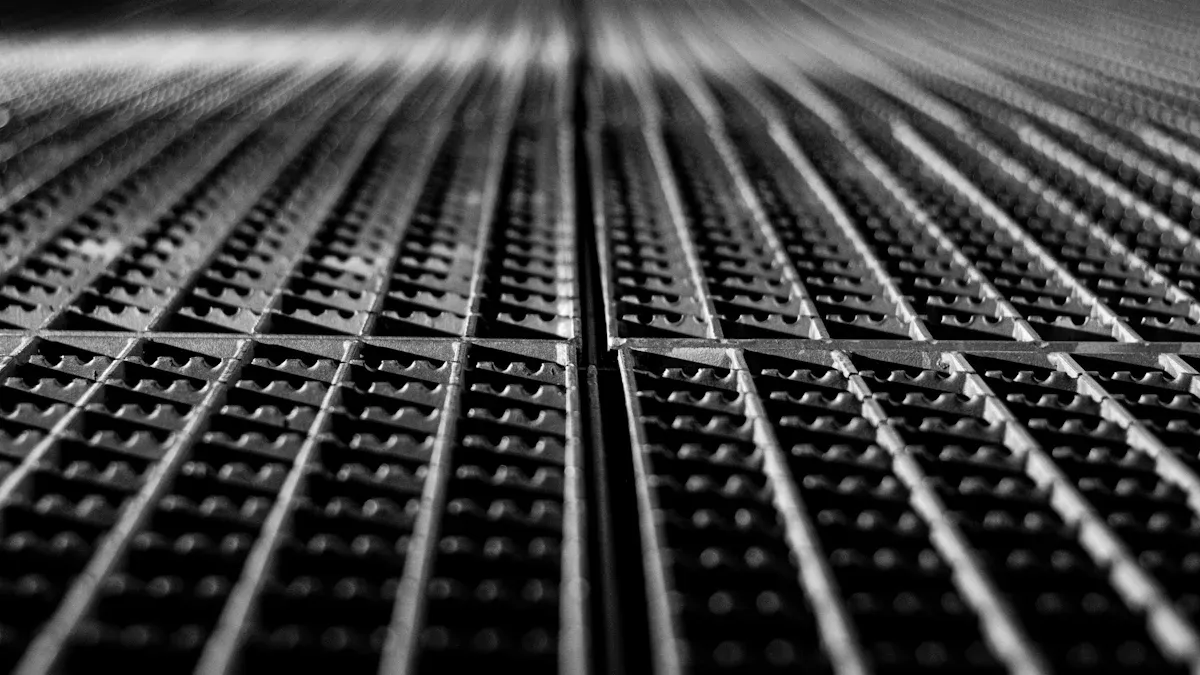
Galvanized Steel Grating for Operation Platform sets a standard for reliability in 2025. Engineers choose this solution for challenging sites. Galvanized Steel Grating for Offshore Oil Rigs resists saltwater and heavy loads. Galvanized Steel Grating for Gas Production keeps surfaces safe and easy to clean. Galvanized Steel Grating for Coal Handling provides strength and manages debris. Many industries trust galvanized steel grating to protect workers in harsh environments.
Key Takeaways
- Galvanized Steel Grating offers strong, rust-resistantplatforms that last long in tough environments.
- Its open grid design keeps surfaces dry and safe by letting water and debris pass through easily.
- Modern grating includes serrated surfaces to prevent slips and meets strict safety certifications.
- Custom sizes and surface types allow perfect fits for different industries and special needs.
- Regular cleaning and inspections extend grating life and keep platforms safe for workers.
Galvanized Steel Grating: Definition and Key Features
What Is Galvanized Steel Grating?
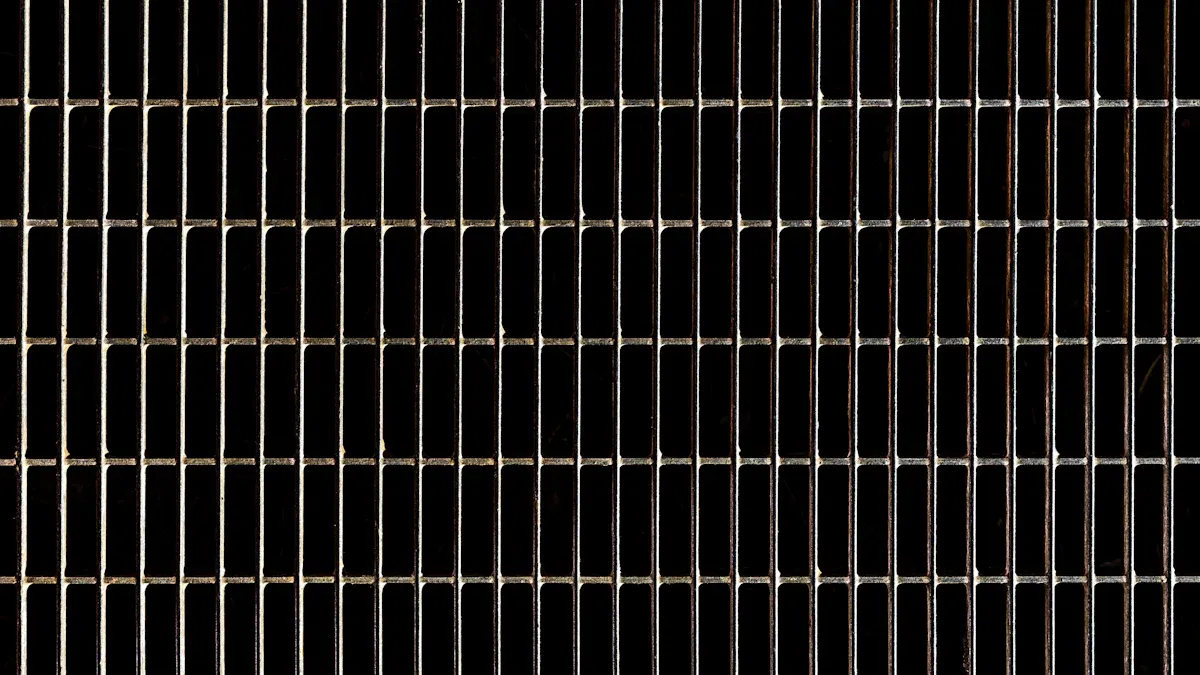
Galvanized steel grating serves as a strong, open grid made from steel bars. Manufacturers coat these bars with a layer of zinc to protect them from rust and corrosion. This process, called galvanization, helps the grating last longer, even in tough environments. Many industries use this material for platforms, walkways, and stairs because it provides a safe and sturdy surface.
People often choose galvanized steel grating for its ability to handle heavy loads. The open design allows water, dirt, and debris to pass through, which keeps surfaces clean and dry. Workers on platforms feel safer because the grating reduces the risk of slipping.
Tip: Galvanized steel grating works well in places where moisture and chemicals might damage other materials.
Construction and Material Properties
Engineers design galvanized steel grating with both strength and safety in mind. The grating usually consists of two main parts:
- Bearing bars: These run in one direction and carry the load.
- Cross bars: These connect the bearing bars and add stability.
The table below shows some common properties of galvanized steel grating:
| Property | Description |
|---|---|
| Material | Carbon steel with zinc coating |
| Surface | Serrated or smooth |
| Load Capacity | High, supports heavy equipment |
| Corrosion Resistance | Excellent, due to zinc layer |
| Maintenance | Low, easy to clean and inspect |
Galvanized steel grating stands up to harsh weather, chemicals, and heavy use. The zinc coating forms a barrier that stops rust from forming on the steel. This makes the grating a reliable choice for platforms in factories, plants, and outdoor settings.
Why Galvanized Steel Grating Is Trusted for Platforms in 2025
Advancements in Design and Material Technology
Engineers have made many improvements in steel grating over the years. In 2025, new design methods help create stronger and lighter grating. Factories use advanced machines to weld bars together with great accuracy. This process gives each piece a uniform shape and size. New coatings protect the steel even better than before. These coatings stop rust and damage from chemicals.
Manufacturers also use better steel alloys. These alloys give the grating more strength and make it last longer. Some grating now has serrated surfaces. These surfaces help prevent slips and falls. Workers feel safer when they walk on these platforms.
Note: Modern technology allows companies to make custom grating for special needs. This means each platform can have the best fit and safety features.
Certifications and Industry Recognition
Many organizations test and approve steel grating for use in tough places. In 2025, most galvanized steel grating meets strict standards set by groups like ASTM and ISO. These groups check the strength, safety, and quality of the grating. When a product passes these tests, it earns a certification.
Certified grating gives companies peace of mind. They know the product will perform well under pressure. Industry leaders often choose certified grating for their platforms. This choice helps them follow safety rules and avoid accidents.
Here is a table showing some common certifications:
| Certification Body | Standard Example | What It Covers |
|---|---|---|
| ASTM | ASTM A123 | Zinc coating quality |
| ISO | ISO 9001 | Manufacturing process |
| OSHA | OSHA 1910.29 | Walking surface safety |
Proven Performance in Harsh Environments
Galvanized steel grating has a long history of success in difficult settings. Oil rigs, gas plants, and coal facilities all use this material. The grating stands up to saltwater, heavy loads, and harsh weather. It does not rust easily, even when exposed to chemicals or moisture.
Workers trust these platforms because they stay strong year after year. Maintenance teams find the grating easy to clean and inspect. Companies save money because they do not need to replace the grating often.
Tip: Many industries choose galvanized steel grating for its record of safety and durability in the field.
Galvanized Steel Grating for Industrial Applications
Offshore Oil Rigs: Corrosion Resistance and Load Capacity
Offshore oil rigs face some of the harshest conditions in the world. Saltwater, strong winds, and heavy equipment put every platform to the test. Engineers select galvanized steel grating for these platforms because it resists corrosion and supports heavy loads. The zinc coating protects the steel from rust, even when exposed to salty air and water every day.
Workers on oil rigs need safe footing. The open grid design lets water drain away quickly. This feature keeps surfaces dry and reduces the risk of slips. The grating also handles the weight of large machines and groups of workers. Many oil companies trust this material because it lasts for years with little maintenance.
Note: Regular inspections show that galvanized steel grating keeps its strength and shape, even after long use in tough environments.
Gas Production Facilities: Non-Slip and Easy Maintenance
Gas production facilities require safe and clean work areas. Spills and leaks can happen, so the flooring must prevent accidents. Galvanized steel grating provides a non-slip surface. Serrated edges give extra grip, even when the platform is wet or oily.
Maintenance crews find this grating easy to clean. The open spaces allow dirt and liquids to fall through, so workers can sweep or hose down the surface quickly. This design helps keep the facility running smoothly. The zinc coating also means the grating does not rust easily, so it stays strong and safe for a long time.
A quick look at the benefits for gas facilities:
| Feature | Benefit |
|---|---|
| Non-slip surface | Reduces falls and injuries |
| Easy cleaning | Saves time and effort |
| Corrosion resistance | Extends platform lifespan |
Coal Handling Operations: Strength and Debris Management
Coal handling sites deal with heavy loads and lots of debris. Trucks, conveyors, and workers all move across the platforms every day. Galvanized steel grating stands up to this tough use. The strong steel bars support the weight of vehicles and equipment.
Debris from coal can build up fast. The open grid design lets small pieces fall through, so the surface stays clear. Workers spend less time cleaning and more time working safely. The zinc coating protects the grating from moisture and chemicals found in coal dust.
Tip: Many coal plants choose galvanized steel grating because it combines strength with easy debris management.
Other Industrial Uses: Versatility and Customization
Many industries need strong and safe platforms. Steel grating offers solutions for many different jobs. Factories, warehouses, and public spaces all use steel grating in unique ways. Each industry can choose the right type for its needs.
Common Uses in Different Industries
- Manufacturing Plants: Workers walk on Steel Grating Platforms to reach machines. The open design keeps floors dry and safe.
- Food Processing: Cleanliness matters in food plants. Steel grating allows water and cleaning agents to drain away. This helps keep surfaces sanitary.
- Water Treatment Facilities: These sites need materials that resist rust. Steel grating stands up to chemicals and moisture.
- Public Infrastructure: Cities use steel grating for drainage covers, pedestrian bridges, and subway vents. The grating supports heavy foot traffic and vehicles.
- Mining Operations: Workers in mines need strong walkways. Steel grating handles the weight of equipment and lets dust fall through.
Tip: Many companies choose steel grating because they can order custom sizes and shapes. This means each platform fits perfectly in its space.
Customization Options
Engineers can design steel grating to match any project. They select the right bar spacing, thickness, and surface type. Some projects need serrated surfaces for extra grip. Others need smooth surfaces for easy cleaning.
The table below shows some common customization choices:
| Option | Benefit |
|---|---|
| Bar spacing | Controls drainage and strength |
| Surface type | Improves grip or cleaning |
| Material grade | Matches environment needs |
| Size and shape | Fits unique spaces |
Companies can also pick special coatings or colors. These choices help the grating last longer or match safety codes.
Why Versatility Matters
Every job site has different needs. Steel grating adapts to many situations. It works indoors and outdoors. It handles heavy loads and tough weather. Workers stay safe because the grating fits the job.
Note: Custom steel grating helps companies save money. They only buy what they need, and the grating lasts for years.
Safety, Compliance, and Standards with Galvanized Steel Grating
Meeting and Exceeding 2025 Safety Regulations
Safety rules for industrial platforms change often. In 2025, new regulations set higher standards for worker protection. Companies must use materials that meet strict guidelines for strength, slip resistance, and durability. Engineers select steel grating that passes these tests. They check for certifications from trusted organizations like OSHA and ASTM.
A table below shows key safety standards for platforms:
| Standard | Focus Area | Requirement Example |
|---|---|---|
| OSHA 1910.29 | Walking surfaces | Slip resistance, load test |
| ASTM A123 | Zinc coating | Corrosion protection |
| ISO 14122 | Access to machines | Safe platform design |
Many companies choose products that not only meet but exceed these rules. They want to avoid accidents and fines. Regular inspections help keep platforms safe. Inspectors look for signs of wear, rust, or loose parts. Quick repairs prevent bigger problems.
Tip: Staying ahead of safety rules protects both workers and business operations.
Worker Protection and Risk Reduction
Worker safety remains the top priority on any platform. Steel grating helps reduce risks in several ways:
- Serrated surfaces lower the chance of slips, even when wet.
- Open grids let water and debris fall through, keeping surfaces clear.
- Strong bars support heavy loads without bending or breaking.
Companies also train workers to spot hazards. They teach safe walking and cleaning practices. Safety signs remind everyone to stay alert.
A few steps help lower risks:
- Inspect platforms often.
- Fix damage right away.
- Use proper footwear.
- Keep walkways clean.
Workers trust platforms that feel solid and safe underfoot. Good design and regular care make a big difference.
Installation, Maintenance, and Selection Guide
Ease of Installation and Secure Fastening
Engineers design Steel Grating Panels for quick and simple installation. Workers can lift and place panels with basic tools. Fasteners hold each panel in place and prevent movement. Secure fastening keepsplatforms safe for everyone.
Common fastening methods include:
- Saddle clips: Hold panels tightly to the support beams.
- Welded connections: Create a permanent bond for heavy-duty areas.
- Bolted clamps: Allow easy removal for cleaning or repairs.
Tip: Always check that fasteners match the platform’s load requirements.
Longevity and Cost-Effectiveness
Steel grating lasts for many years with proper care. The zinc coating protects the metal from rust and damage. Regular cleaning removes dirt and debris. Inspections help spot problems early.
A simple maintenance plan includes:
- Sweep or wash the surface every week.
- Inspect fasteners and panels each month.
- Repair or replace damaged sections right away.
The table below shows how maintenance affects costs:
| Maintenance Level | Expected Lifespan | Cost Over 10 Years |
|---|---|---|
| Basic | 10 years | Medium |
| Regular | 20+ years | Low |
| None | 5 years | High |
Note: Investing in regular care saves money over time.
Choosing the Right Galvanized Steel Grating for Your Platform
Selecting the best grating depends on the job site. Engineers look at load needs, environment, and safety rules.
Key factors to consider:
- Load capacity: Choose panels that support the weight of equipment and workers.
- Surface type: Pick serrated for slip resistance or smooth for easy cleaning.
- Bar spacing: Select wider gaps for drainage or closer bars for small debris.
- Size and shape: Order panels that fit the platform’s layout.
Engineers also check certifications to meet safety standards. Custom options help match special requirements.
Workers stay safe when platforms fit the job and follow safety rules.
Galvanized Steel Grating remains the trusted choice for industrial platforms in 2025. Many industries rely on its safety, strength, and long-lasting performance. Companies see proven results in oil, gas, and coal operations. Workers stay safe on these platforms. Facility managers protect their investments with this reliable solution.
Investing in Galvanized Steel Grating helps create future-ready platforms that meet strict safety standards.
FAQ
What makes galvanized steel grating last longer than regular steel grating?
The zinc coating on galvanized steel grating protects the metal from rust and corrosion. This layer acts as a shield against moisture and chemicals. As a result, the grating stays strong and safe for many years.
Can workers walk safely on galvanized steel grating in wet conditions?
Yes. The open grid design allows water to drain quickly. Serrated surfaces provide extra grip. Workers find these platforms less slippery, even when wet or oily.
How often should companies inspect galvanized steel grating platforms?
Companies should inspect platforms at least once a month. Regular checks help spot damage, loose fasteners, or rust. Early repairs keep the platform safe and extend its lifespan.
Is galvanized steel grating suitable for custom platform shapes?
Yes. Manufacturers can cut and shape galvanized steel grating to fit unique spaces. Custom sizes, bar spacing, and surface types help meet different project needs.